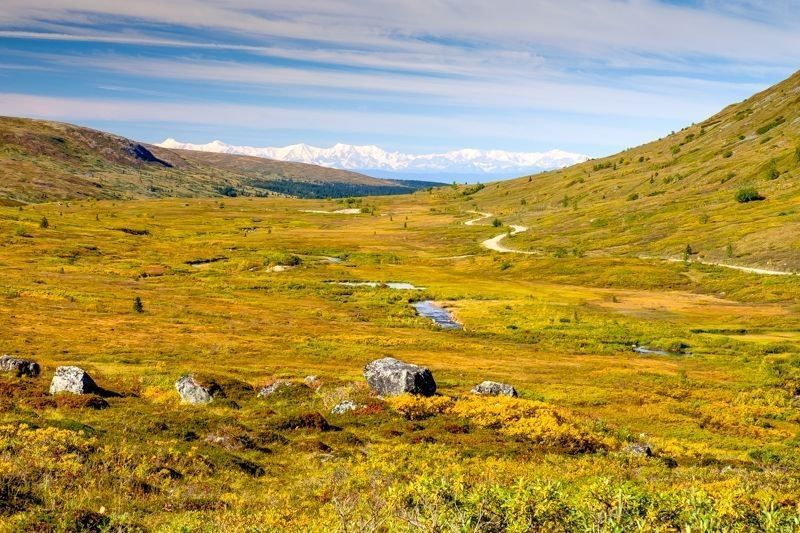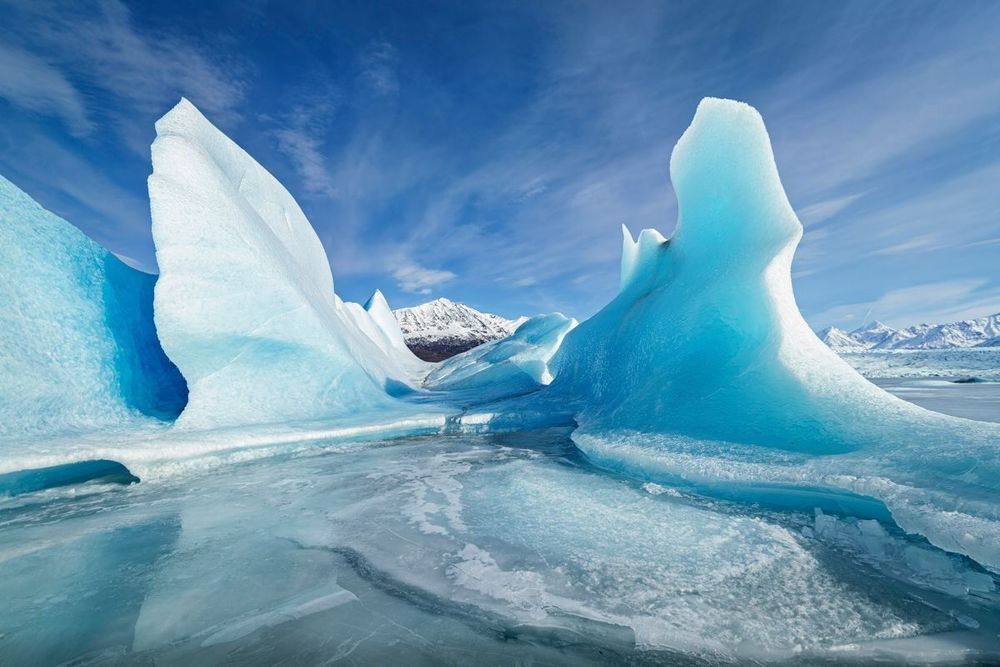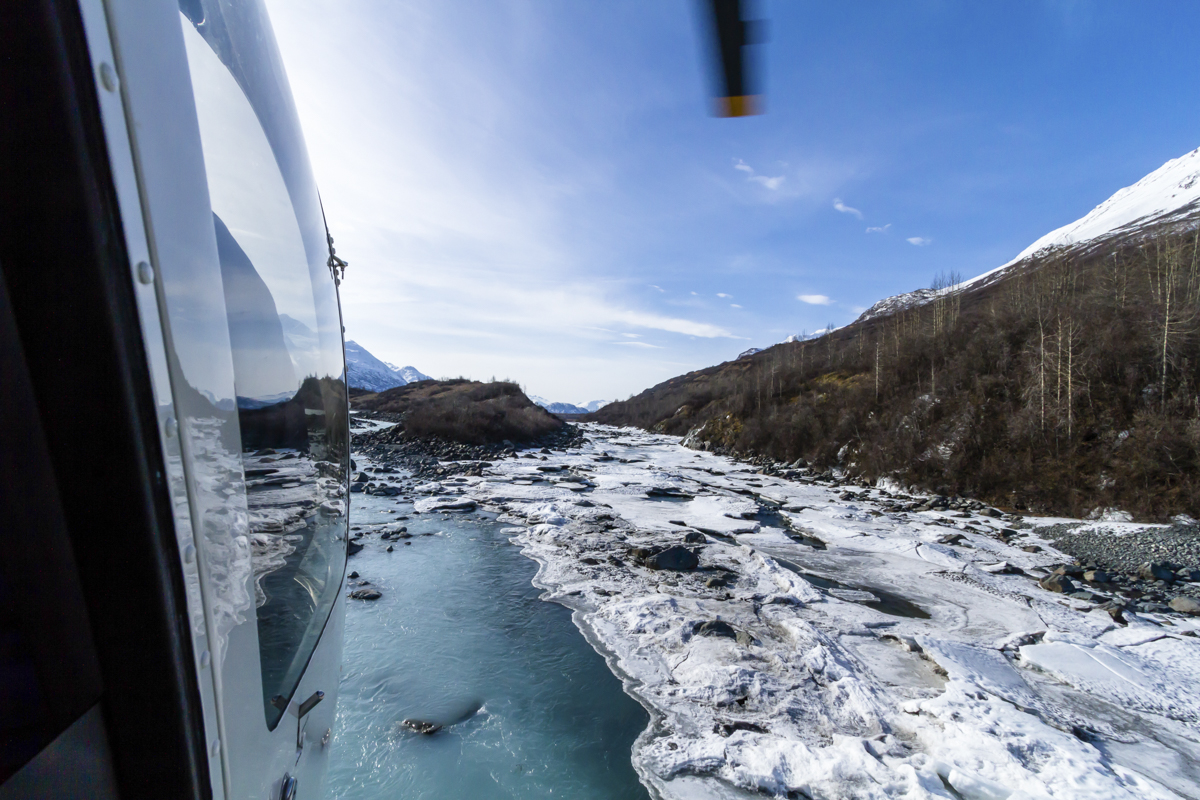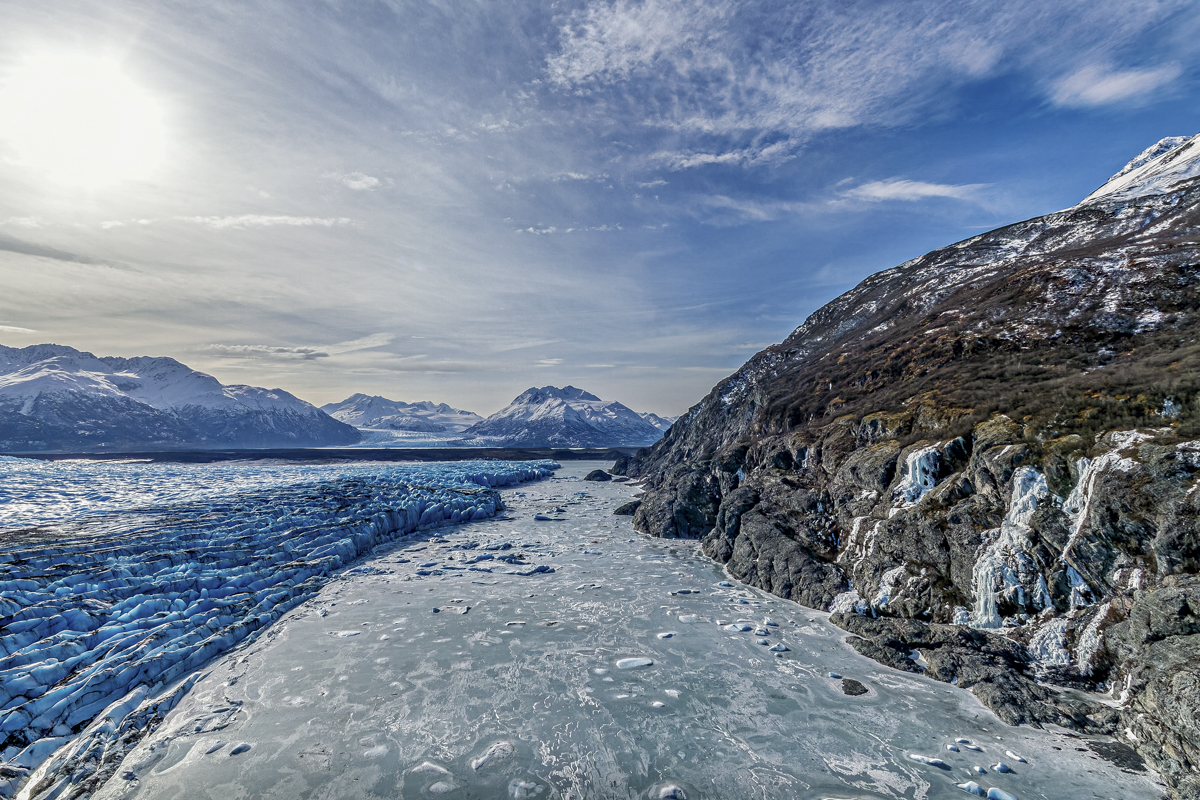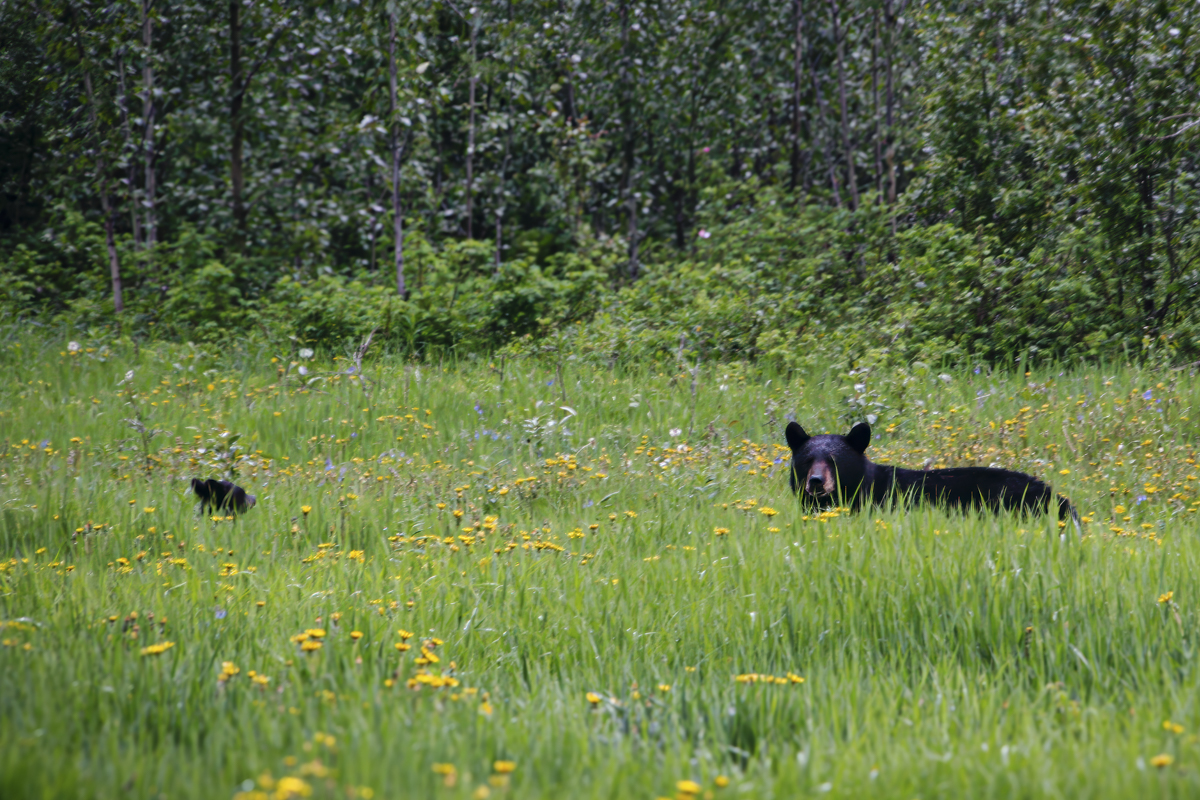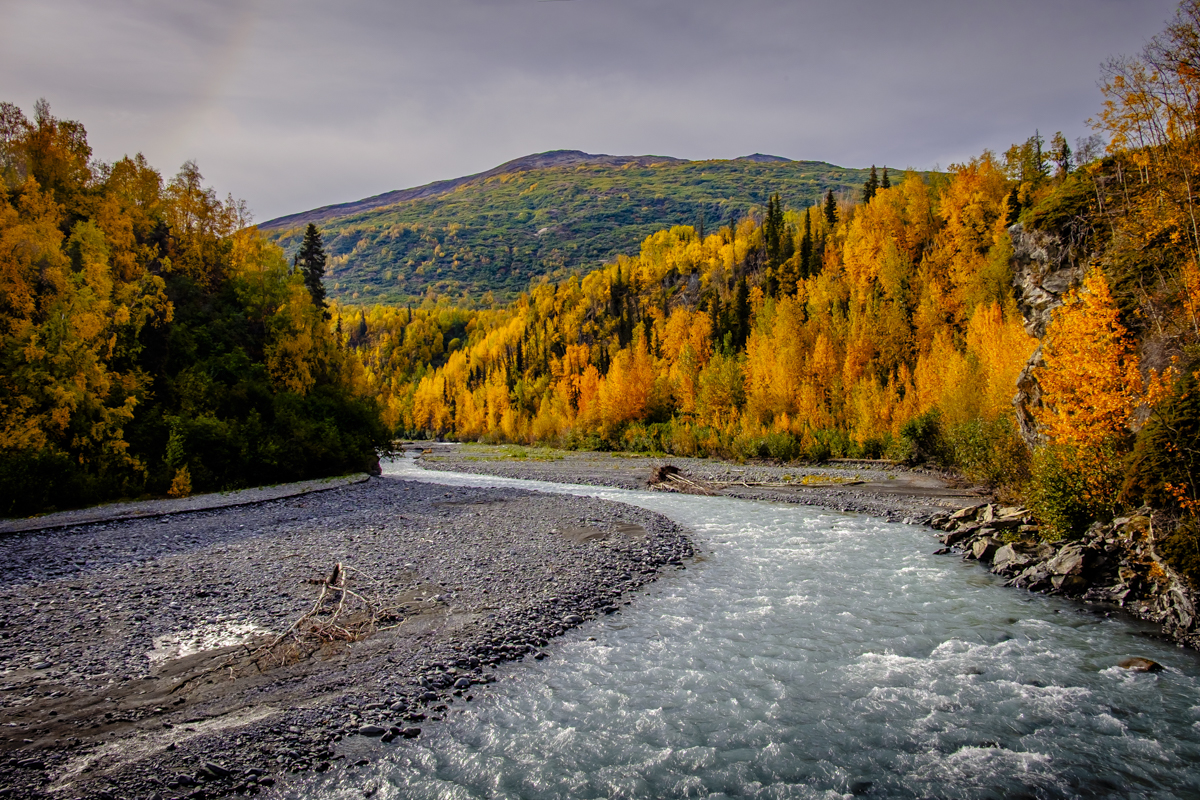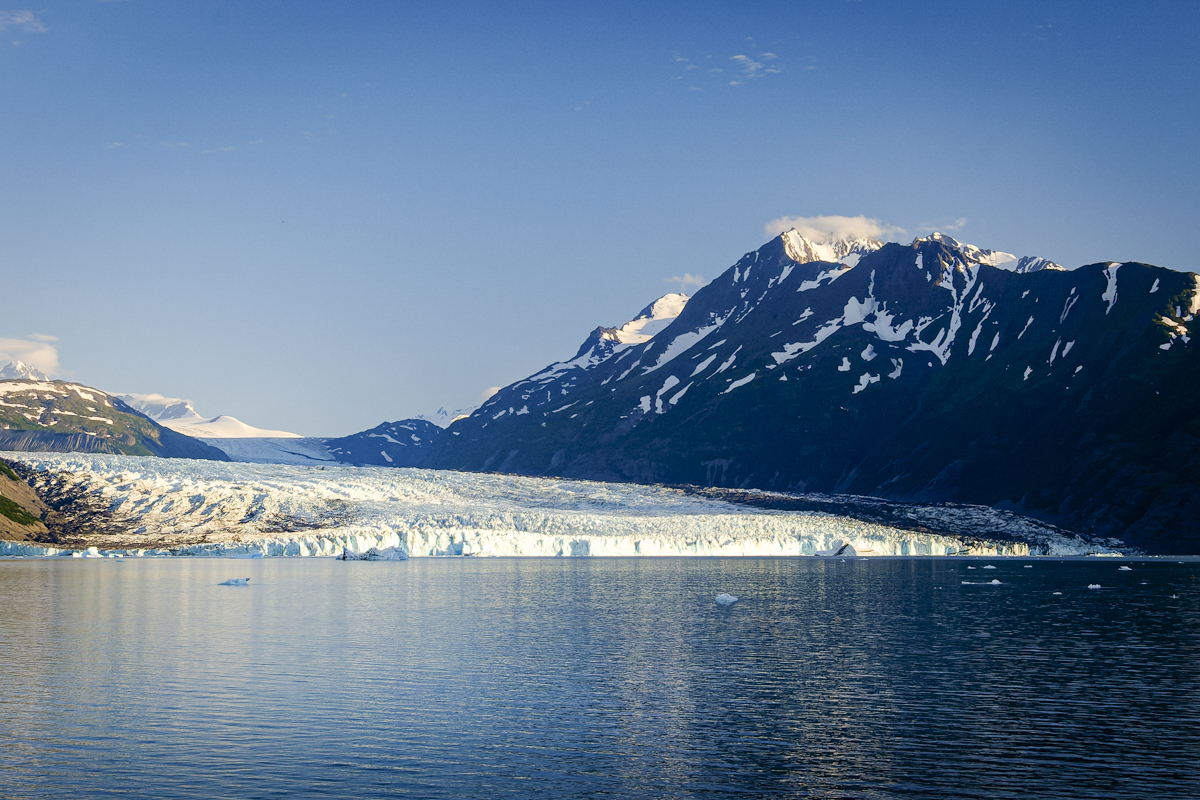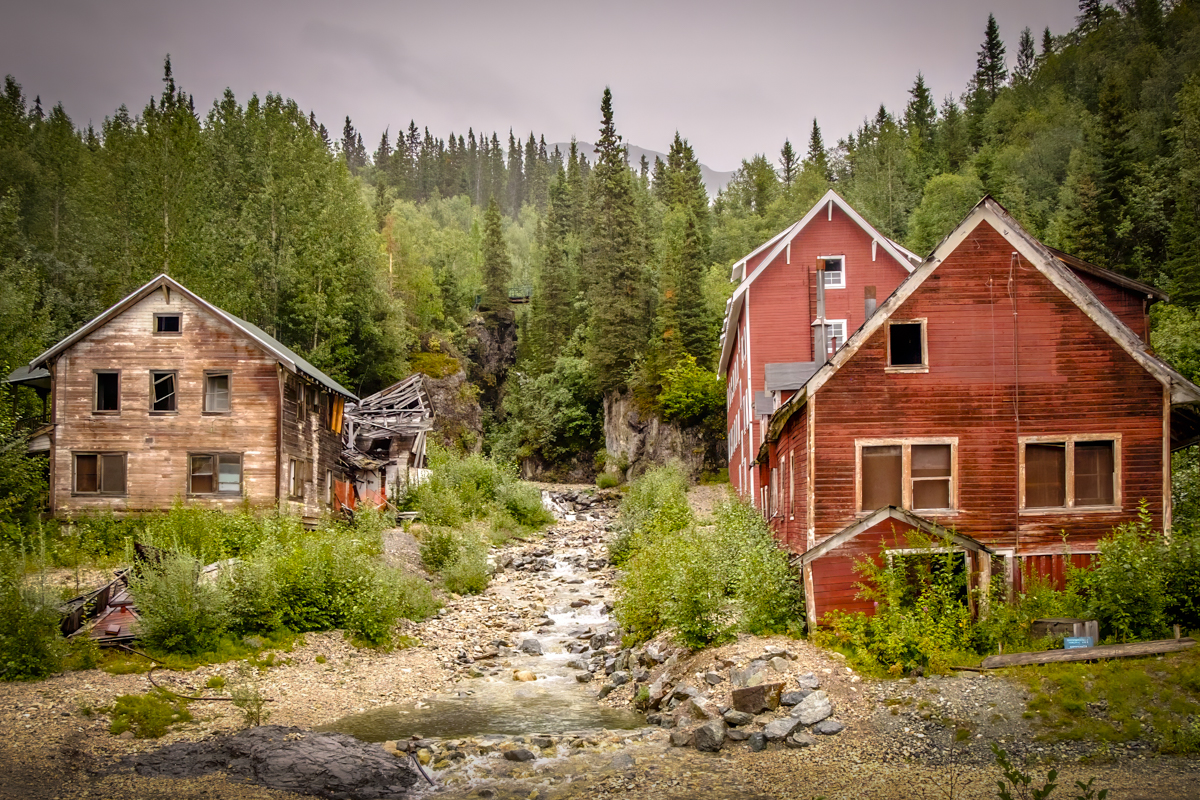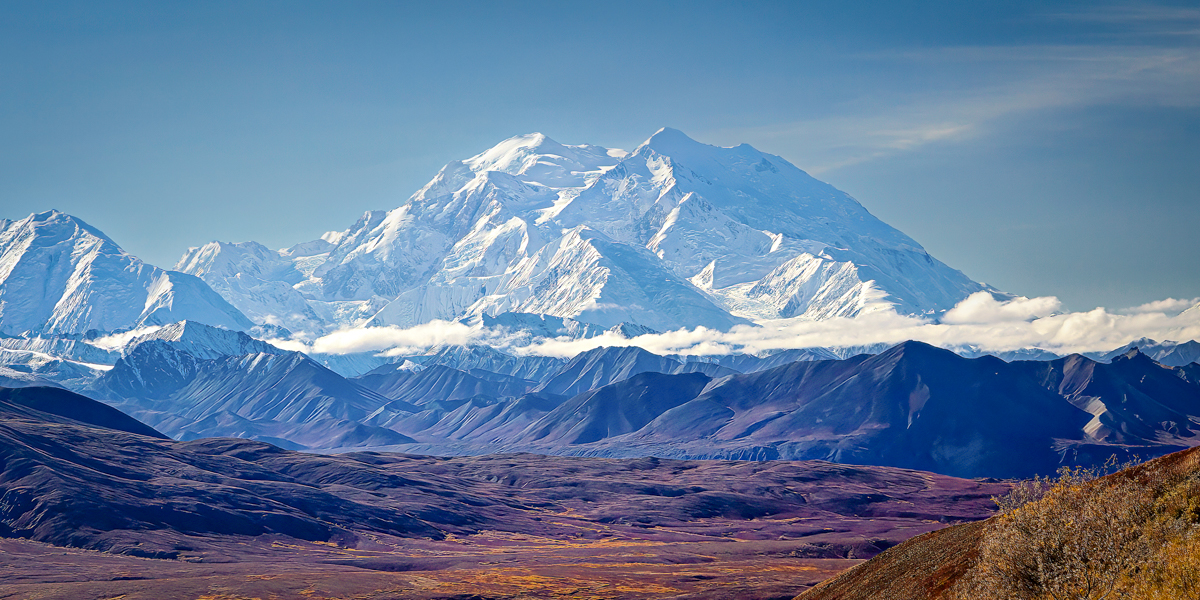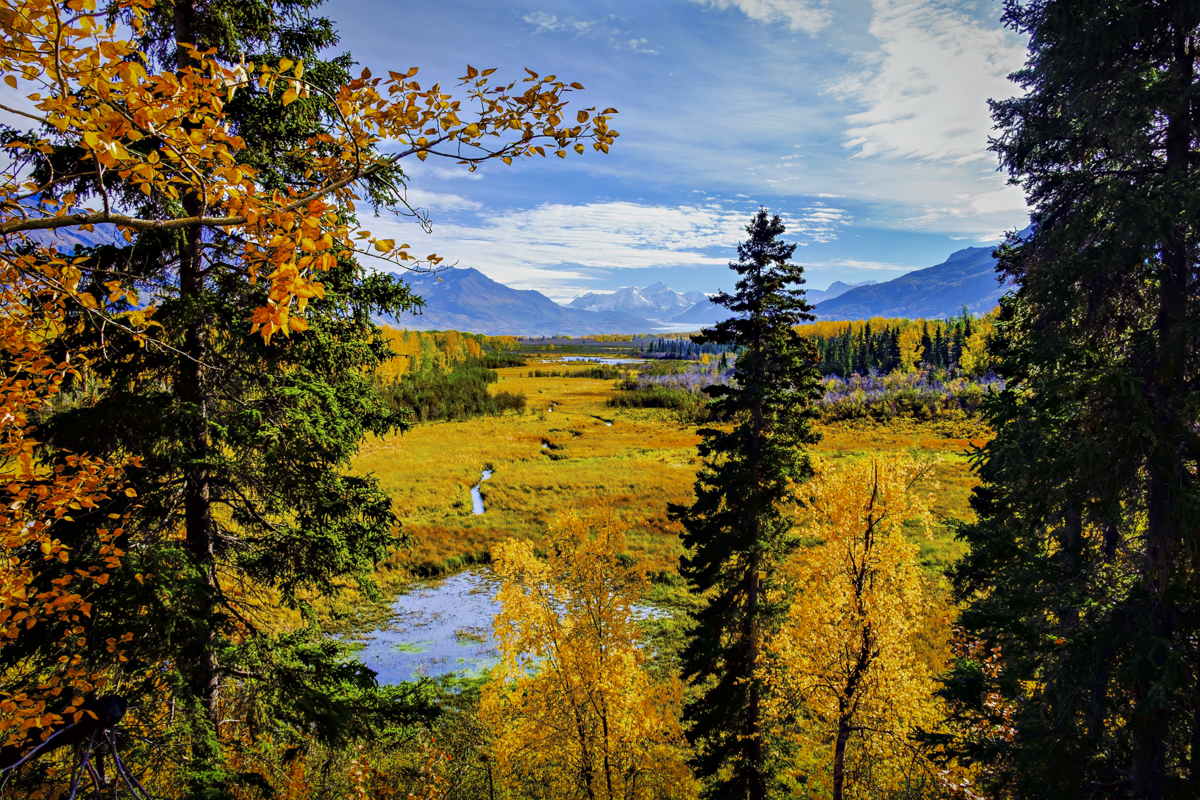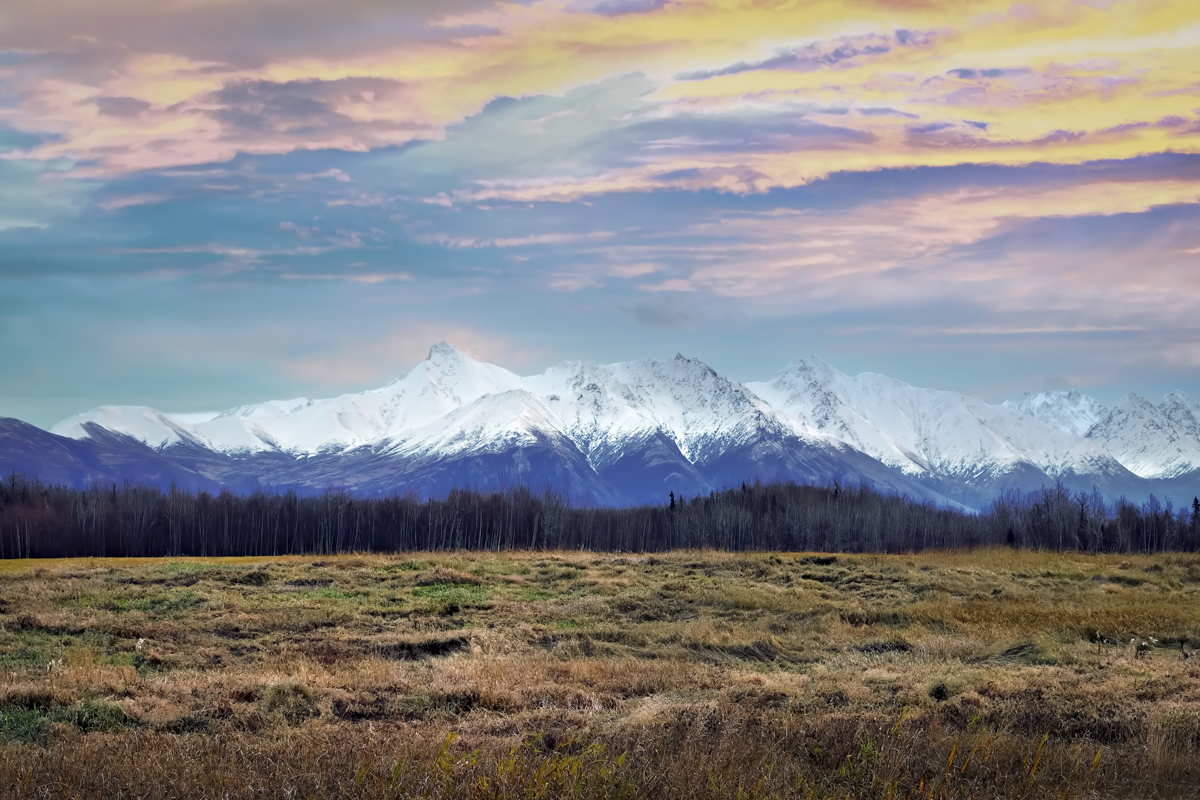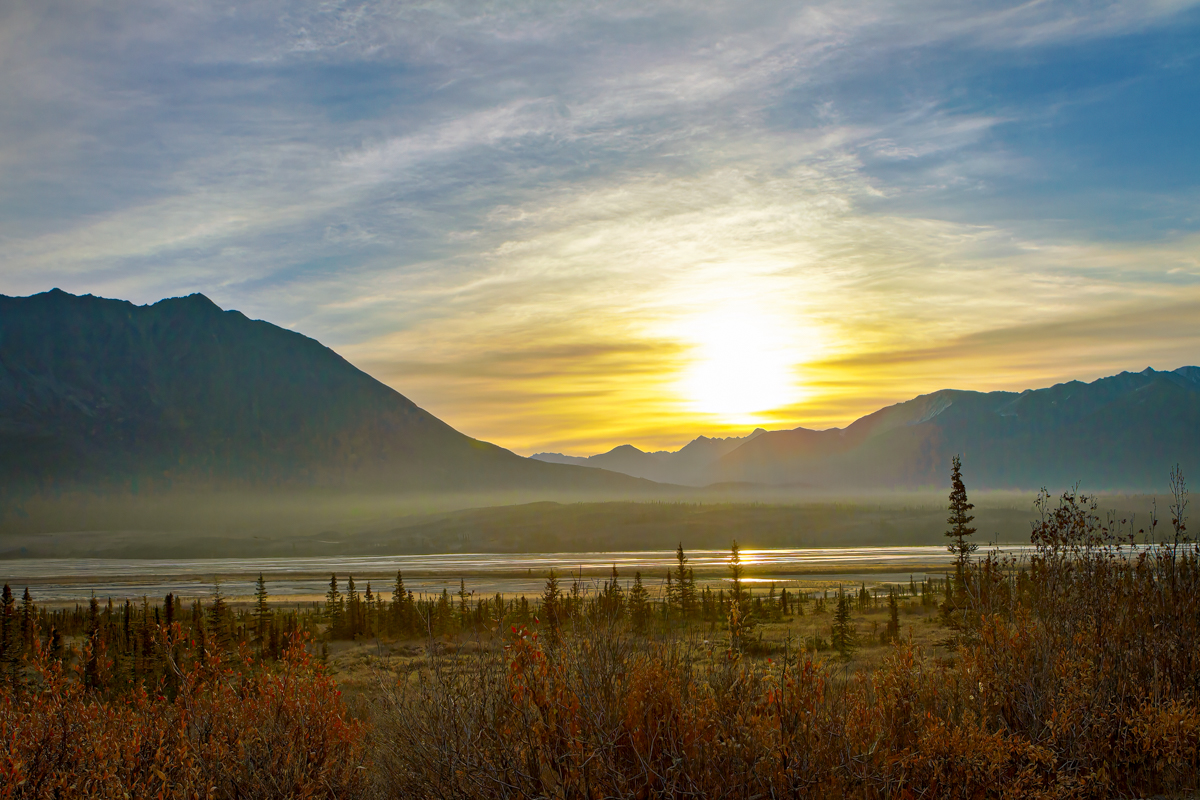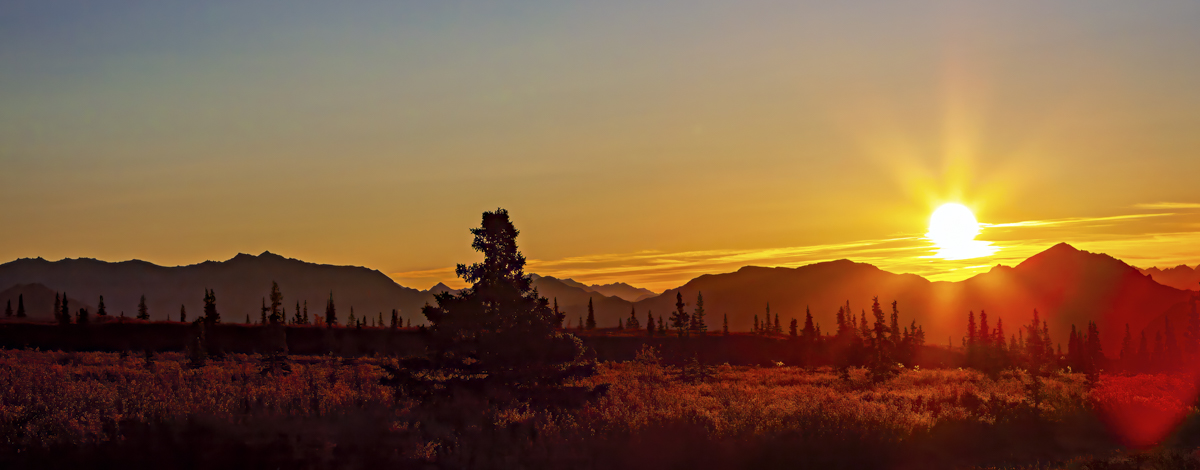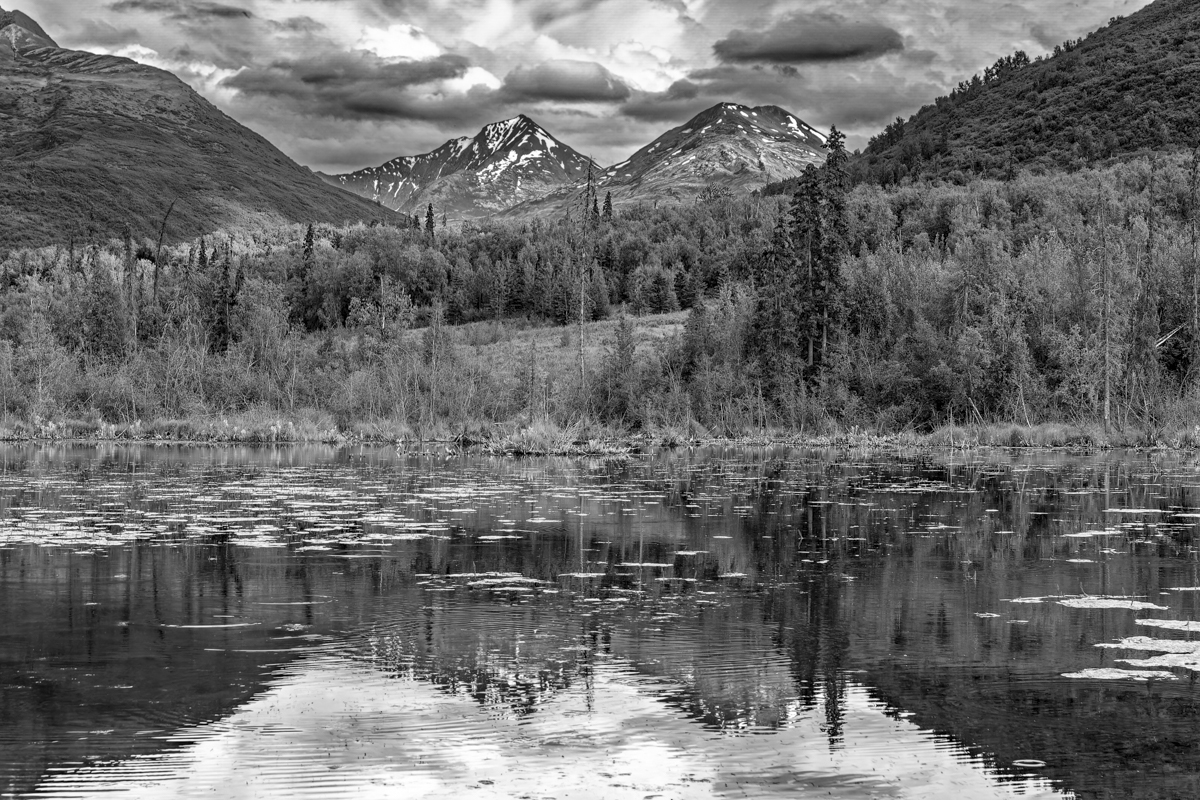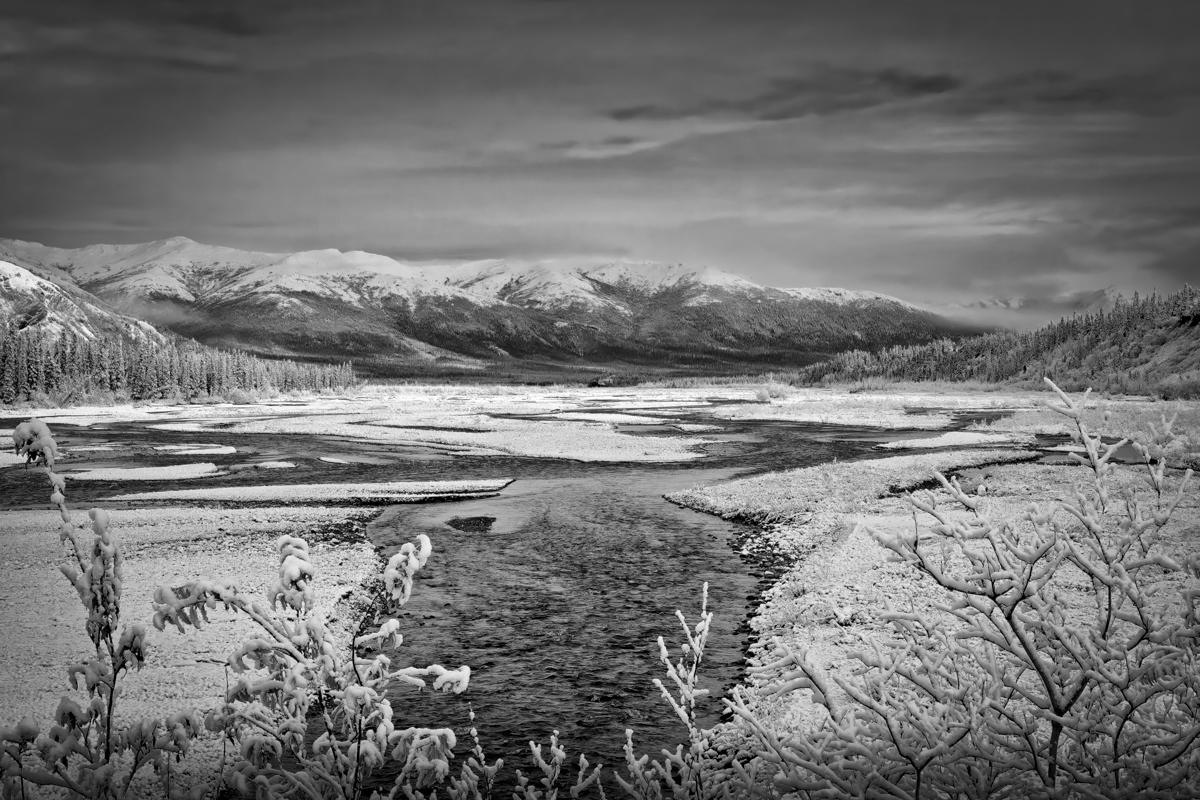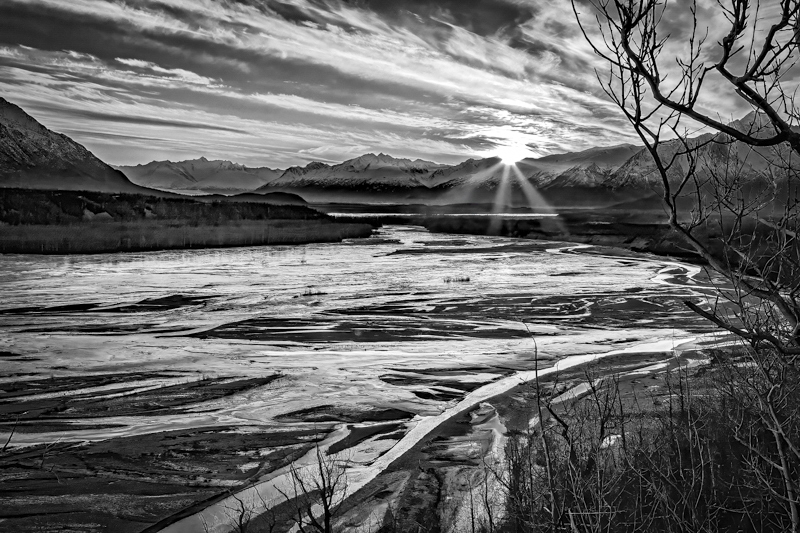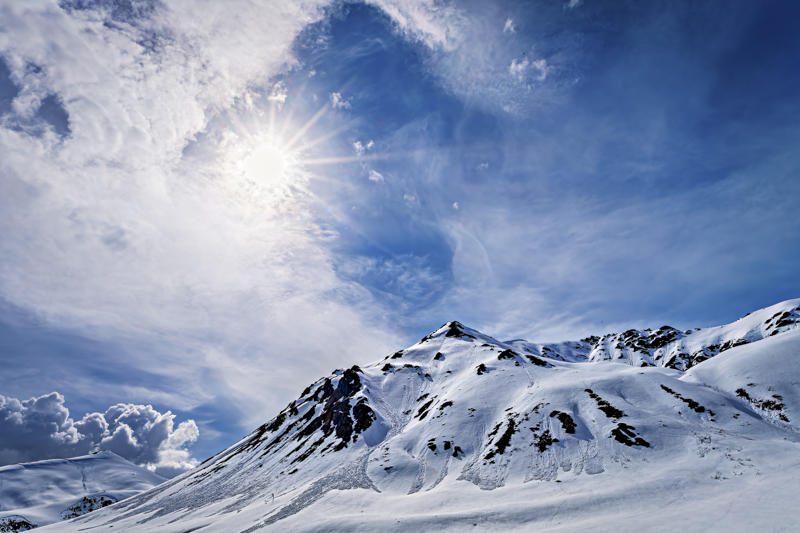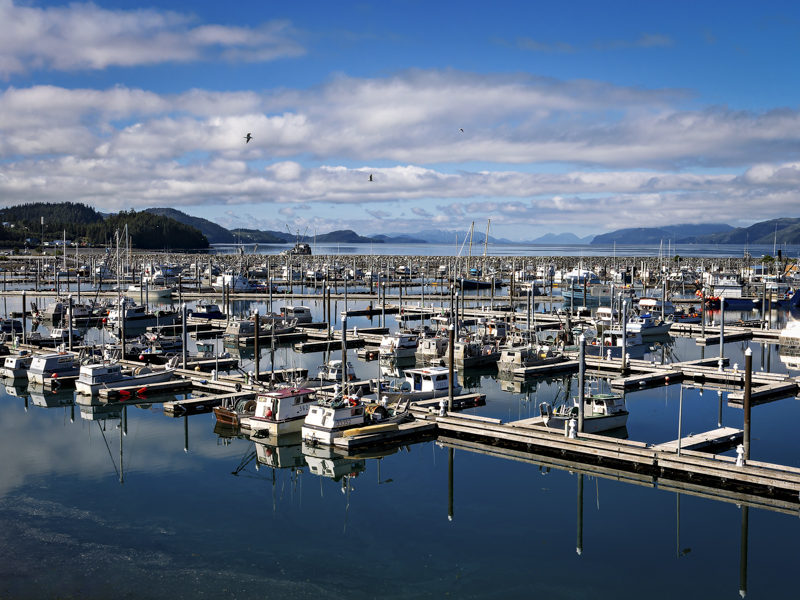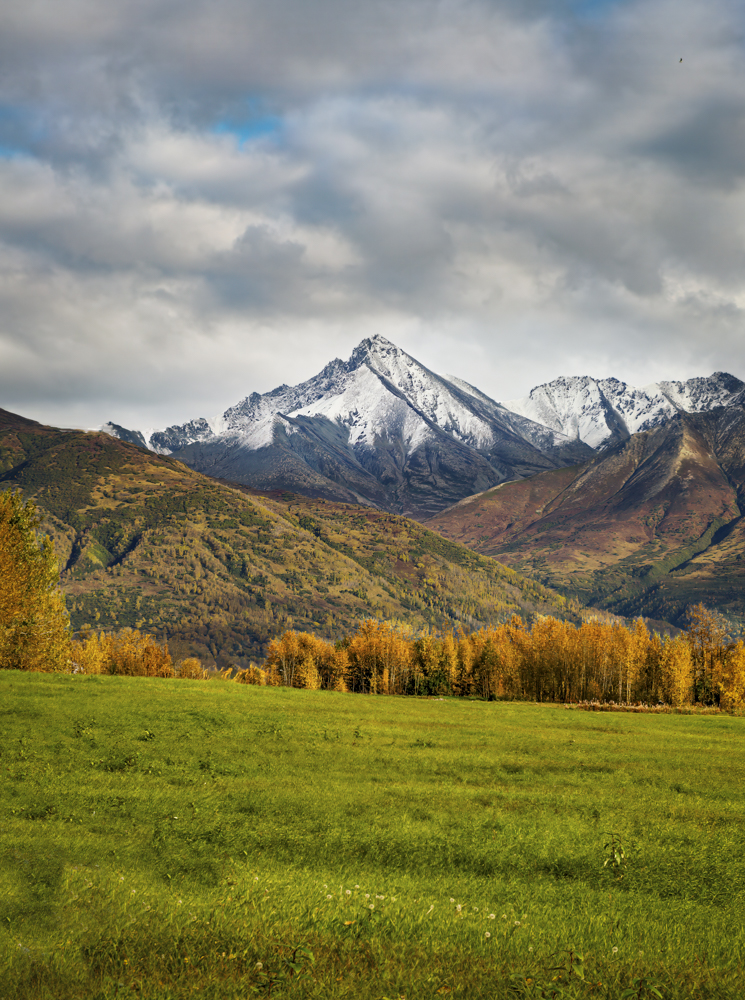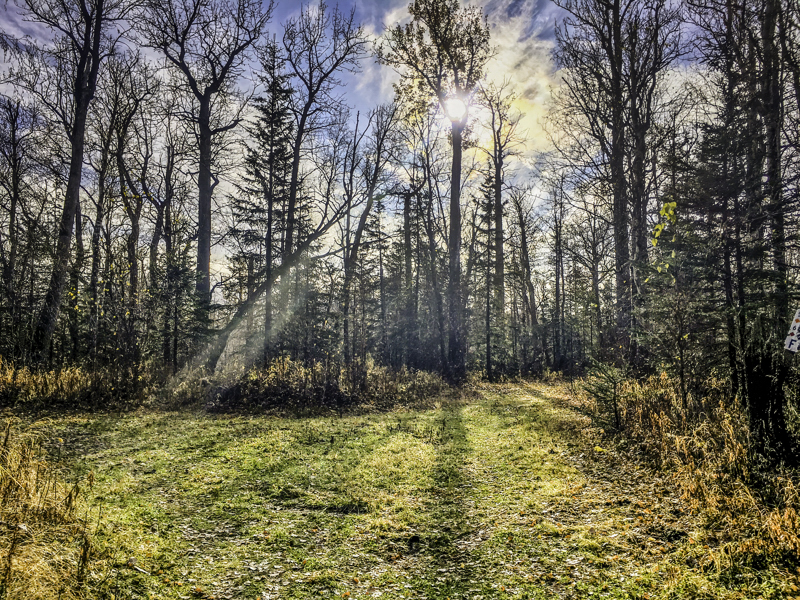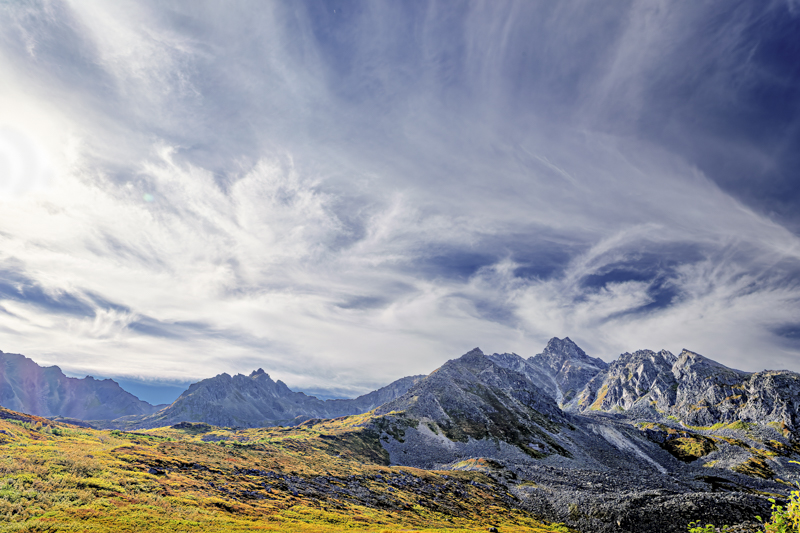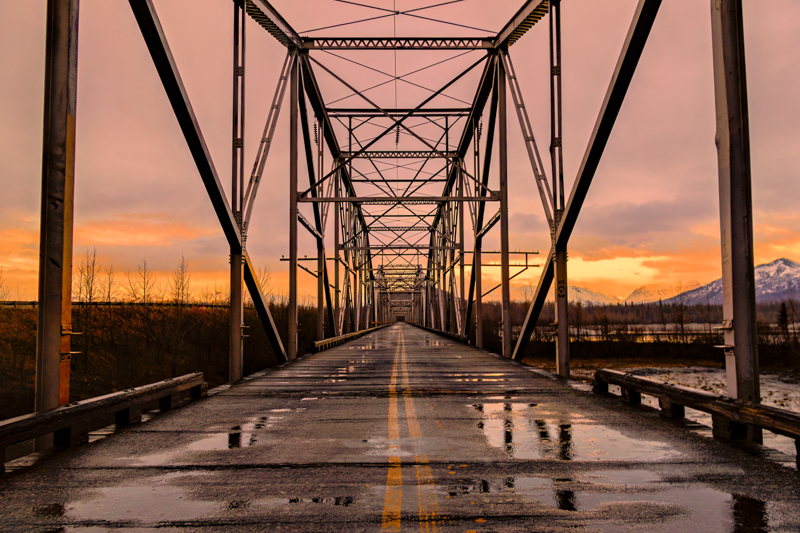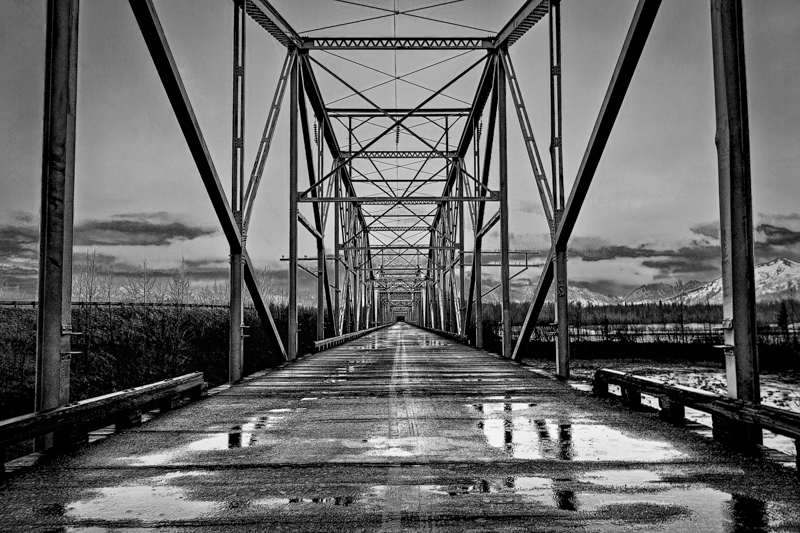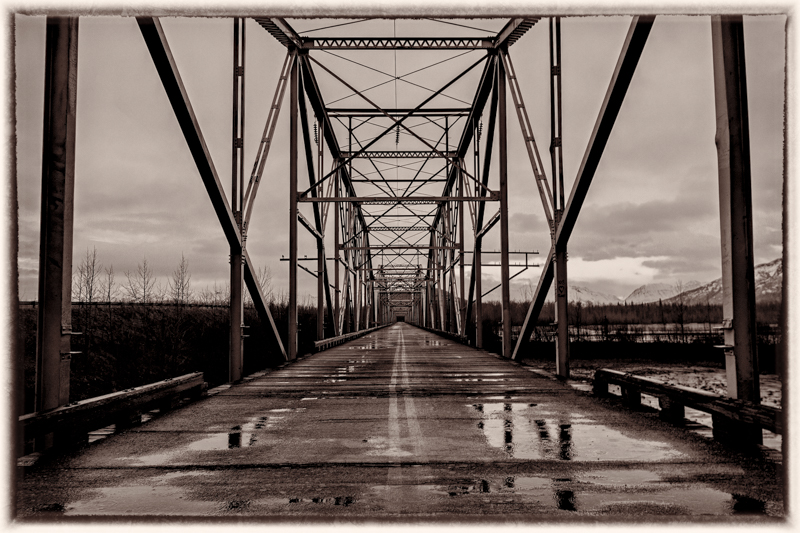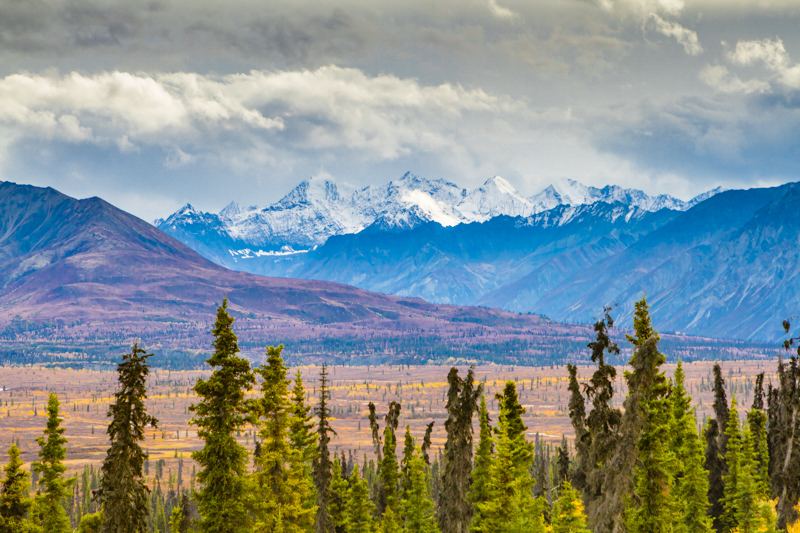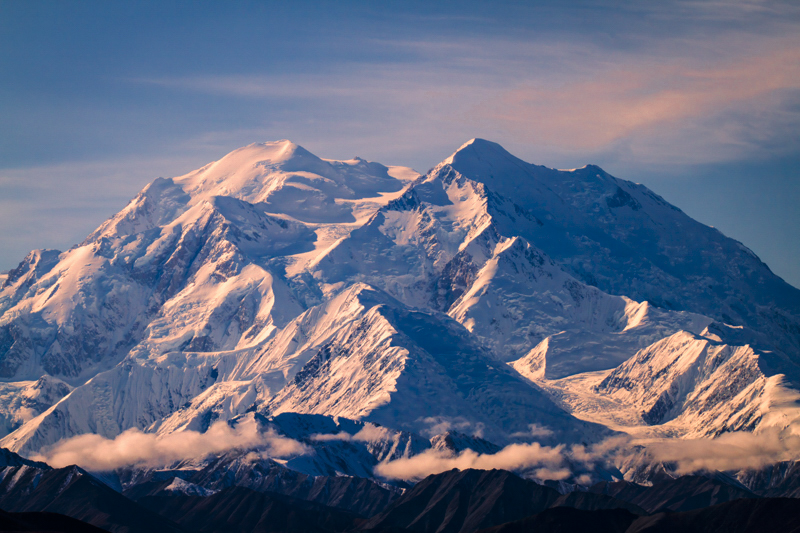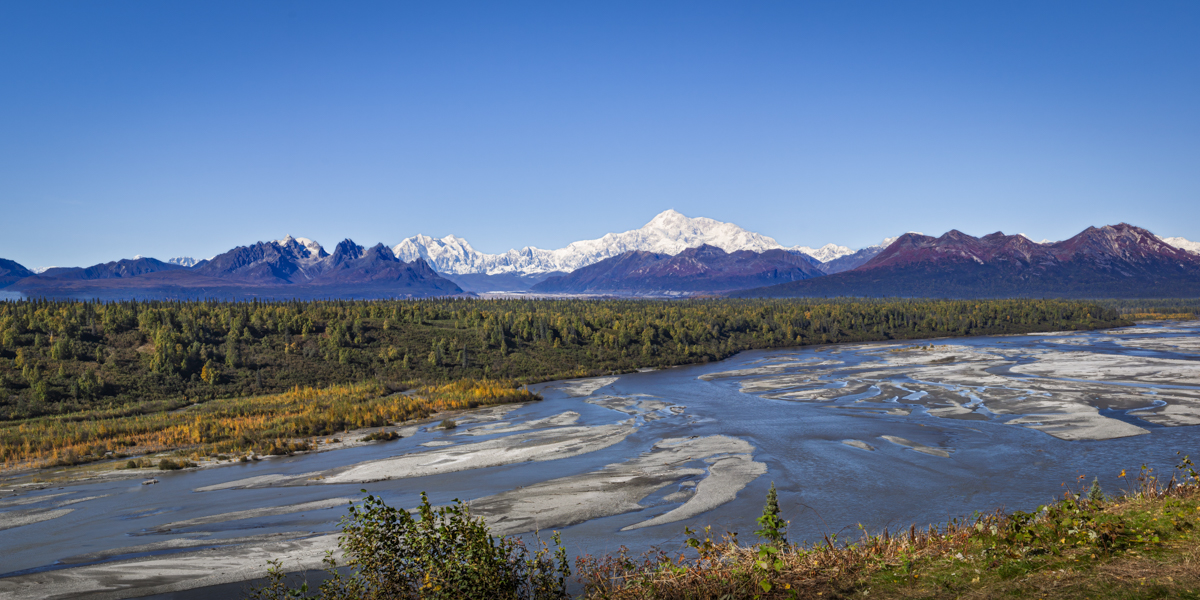
This panoramic photograph of Denali presents Alaska’s scale: the Susitna river threading through autumn-tinged forests beneath it’s snow-draped peaks and a crisp blue sky, with the mountain’s presence felt across the whole scene, I always feel a direct connection to Alaska.
What makes Alaska, Alaska
A photographer’s meditation on a place that refuses to be small
There are places you visit, and then there are places that rewire you.
Alaska did the latter for me.
People ask, “What’s it like, living up there?” They expect stories about cold, dark winters, moose in the road, and the Northern Lights. All of that is true. But what makes Alaska, Alaska—for me—is not just the postcard beauty or the extremes. It’s the way this place insists that you pay attention.
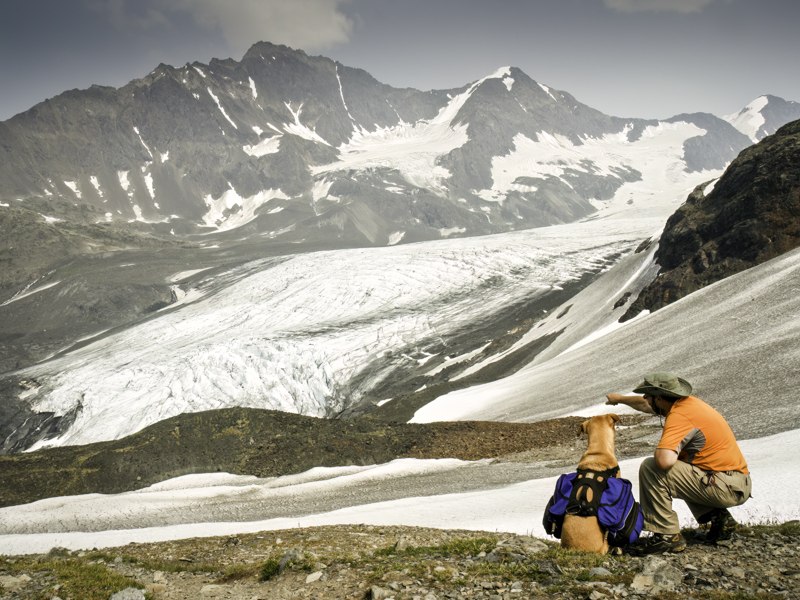
What makes Alaska, Alaska, begins with scale. Distance here isn’t a number on a map; it’s something you feel in your lungs and legs. A “short” hike can become an all-day conversation with your limits. Standing on a ridge and realizing the mountains on the horizon are still hours—or days—away shrinks your ego and enlarges your humility at the same time.
The land doesn’t care about my schedule, deadlines, or shot list. Clouds roll in and erase the light I’ve been waiting for. Snow closes roads overnight. What used to frustrate me now feels like a gift. Alaska doesn’t care about your plans. It cares about your willingness to listen.