


The Wisdom of the Elders
Feb 20, 2026
Telegraph Creek is a remote, historic community in northern British Columbia, nestled at the confluence of the Stikine River and Telegraph Creek. As the only permanent settlement on the Stikine River, it is home to approximately 250–400 residents, primarily from the Tahltan First Nation. Known as a "pristine ghost town" with deep gold rush roots, it features rugged access, historic buildings, and serves as a gateway to the Grand Canyon of the Stikine.
This turned out to be no ordinary side trip. Described as a “Scary” drive, (it was), the pavement ends outside of Dease Lake and the next 70 miles consist of steep and (very) narrow gravel roads, at times bordered by deep, vertical cliffs on both sides, with no guard rails.
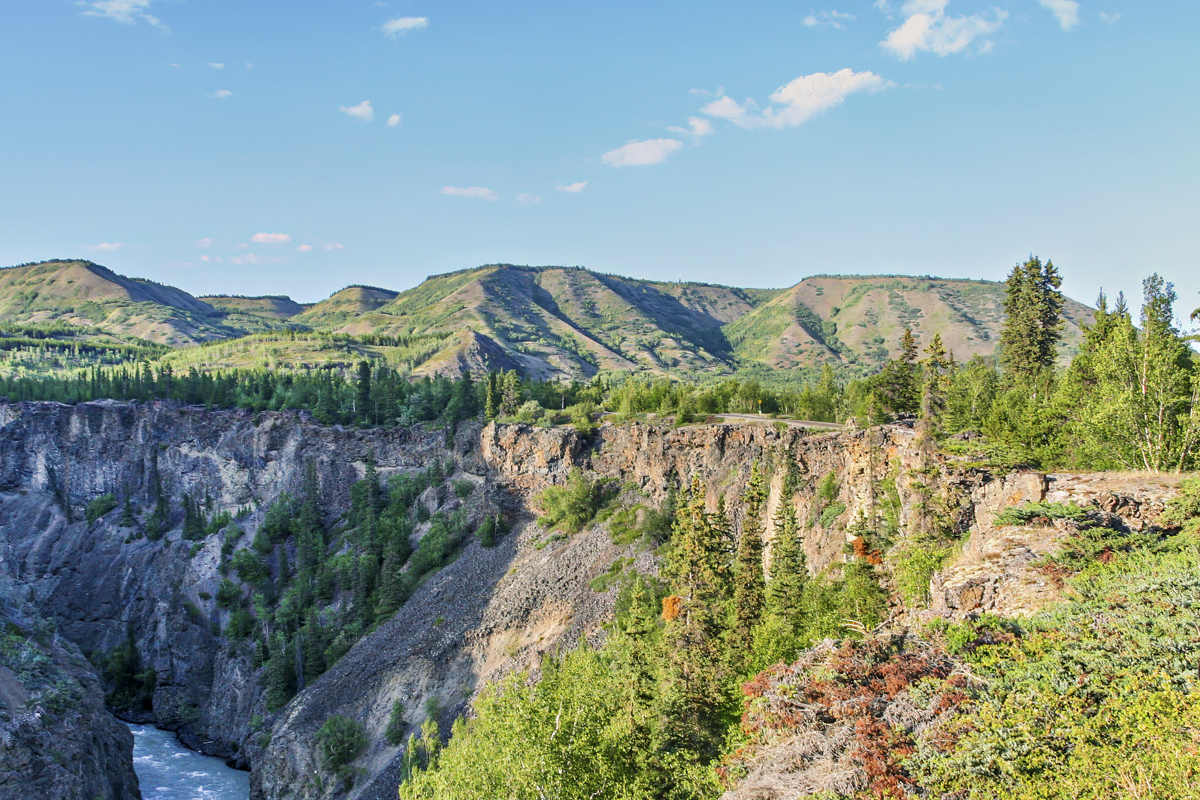
The narrow road to Telegraph Creek can be seen at the top of the cliff. Here, it's slightly wider than one lane. There are no barriers to stop a vehicle going over the cliff.
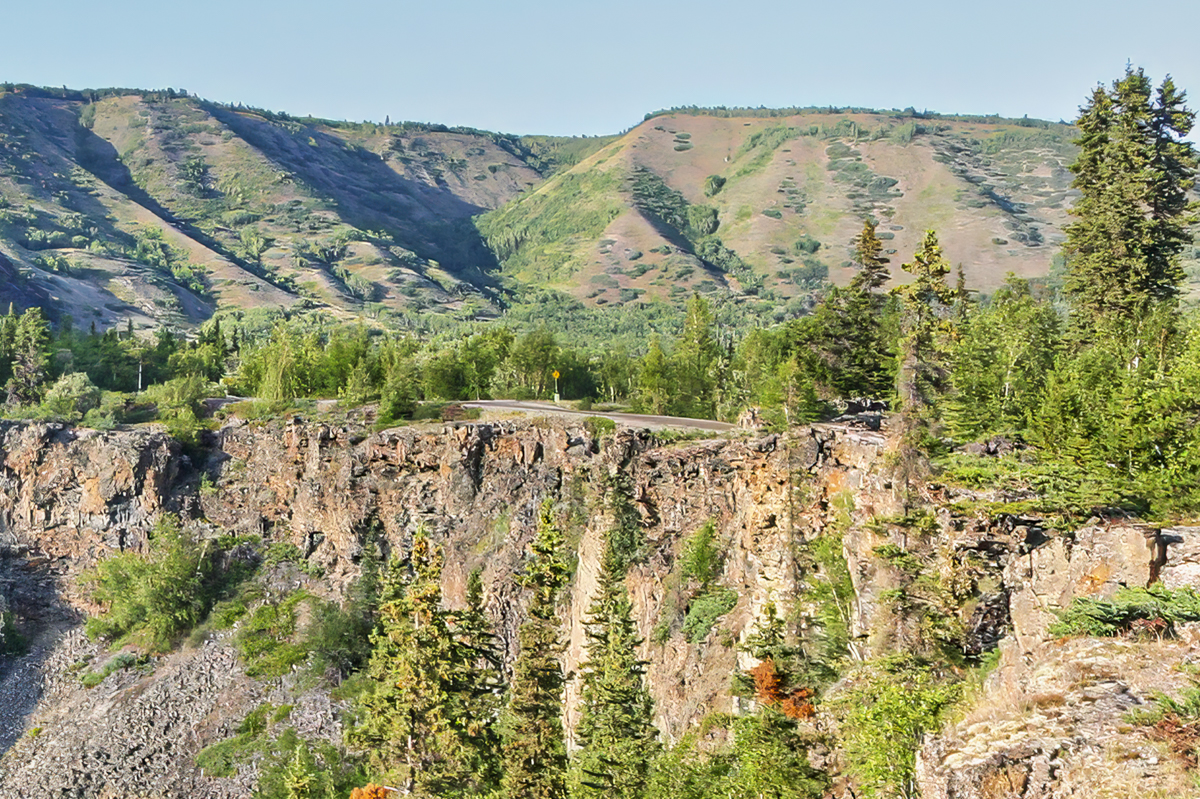
Close up view
We arrived, tired and hungry, and went to the original Hudson’s Bay Company store, now a Café, with a small book section. As I perused the books, one caught my eye, “The Wisdom of the Elders.” I recognized one of the two authors, Scientist David Suzuki, from a Television show he hosted in the 1960’s that I had thoroughly enjoyed called, “The Nature of Things.” His show offered informative views about the state of the world and how to make it a better place. His documentaries presented a look at the way the planet was changing and shifting in our modernized age.
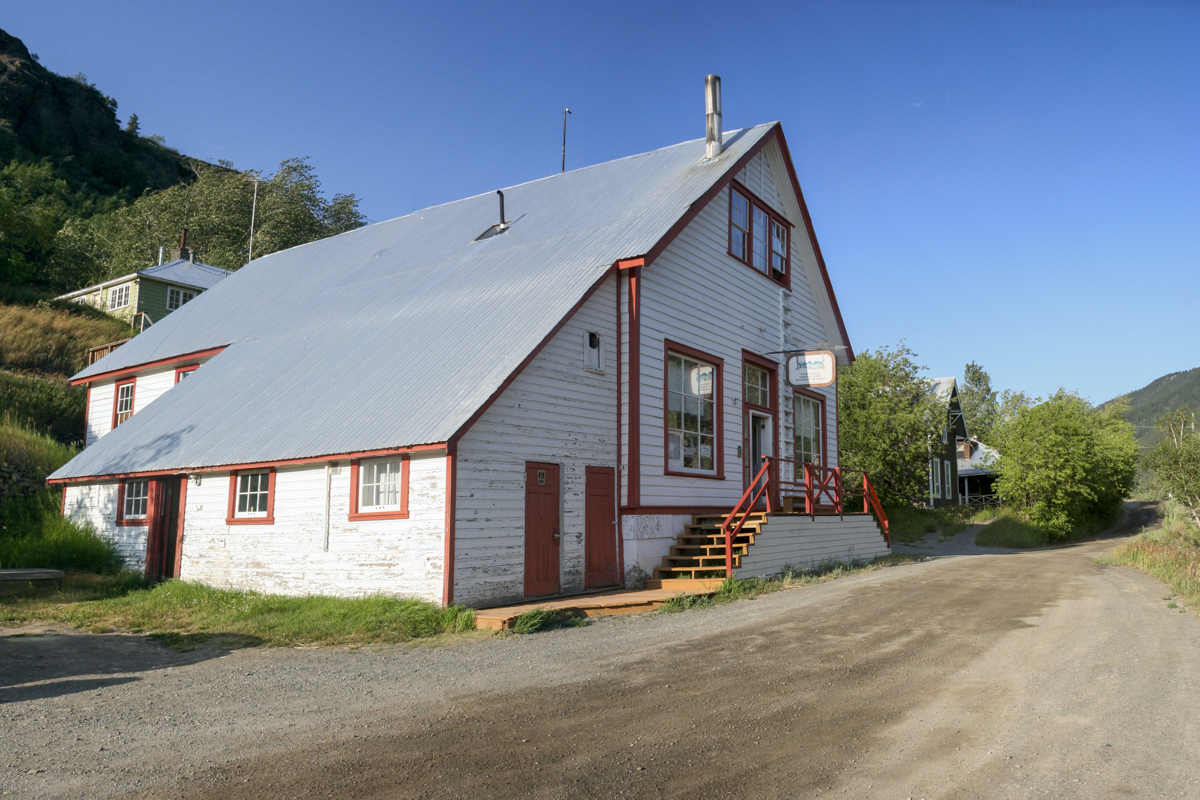
Hudson Bay Company Store, now a Cafe.
Knowing how informative and science backed he had been, I purchased this book right then and there. I noticed it was first published in 1992. In essence, this book scientifically shows how indigenous beliefs and practices have been right all along. Not merely myths but, in fact, sophisticated, time-tested understandings of ecological interconnectedness that often anticipate or validate current scientific insights.
Reading this book had a profound and personal impact on me. With my background in Law Enforcement and a “just the facts” mindset, it was now undeniably obvious to me that our modern human race is on a dangerous path of destruction, both of the planet and all living things, including ourselves. Indigenous peoples have lived in harmony with nature for thousands of years, yet modern man has brought us to this brink of extension in just the short span of around 500 years.
This book enlightened me. It is the catalyst that sparked my passion for conservation, the wisdom of Indigenous Cultures, and my support efforts through my photography. The continued, expanding evidence of the thematic exploration that bridges Traditional Ecological Knowledge (TEK) from various indigenous cultures with the findings of modern Western science is beyond just clear and convincing, it is ill refutable.
Modern science is increasingly taking TEK seriously as a powerful tool for addressing climate change, and not as folklore or “supplementary” insight, but as rigorous, place-based knowledge systems refined over centuries.
TEK provides records that go far beyond the 50–150 years of instrumental climate data. Oral histories, seasonal calendars, and land-use practices preserve information about past droughts, floods, fires, and ecosystem recovery. Scientists increasingly use this knowledge to contextualize climate models and validate long-term environmental change.
To curb climate change, we need more than new technologies or tighter policies—we need a fundamental shift in how we relate to the Earth. Indigenous peoples around the world have long held worldviews that see humans not as owners of nature, but as participants within it. Adopting this attitude may be one of the most powerful steps we can take toward a sustainable future.
Adopting the attitude of Indigenous peoples does not mean romanticizing or appropriating their cultures. It means learning from their values: respect for nature, responsibility to future generations, and recognition of humanity’s place within a larger living system. Climate change is not only an environmental crisis; it is a crisis of relationship. By reshaping how we see and treat the Earth—guided by Indigenous wisdom—we can begin to repair that relationship and move toward a more sustainable and just world.
So I ask you. What are you doing? Better yet, ask yourself the same question!
Suggested Reading:
"Wisdom of the Elders," Peter Knudtson & David Suzuki: ISBN 1-55365-193-6
"Traditional Ecological Knowledge - Learning from Indigenous Practices for Environmental Sustainability," Editor's Melisa K. Nelson & Dan Shilling: ISBN 978-1-108-45044-7
"Indigenous Critical Reflections on Traditional Ecological Knowledge," Edited by Lara A. Jacobs: ISBN 978-1-962645-32-4