

I Never Cared Much for History - Until Alaska
Jan 31, 2026
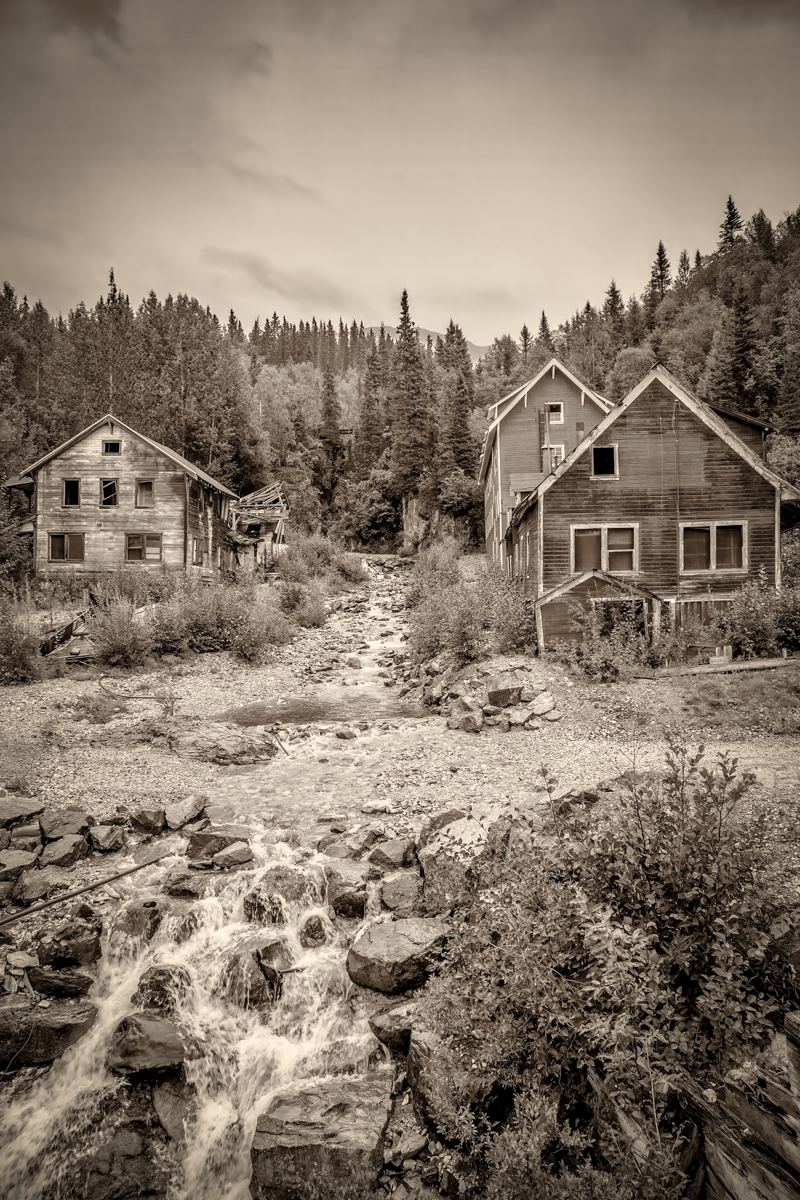
What surprised me wasn’t just that Alaska’s history was interesting. It was that it didn’t feel like “history” in the way I’d come to expect. Alaska’s story is recent, unsettled, and still very much alive. It’s not buried under centuries of dust; it lingers in the landscape, in communities, and in living memory. Suddenly, history wasn’t something I had to imagine—it was something I could almost touch.
Part of the intrigue comes from just how recent everything is. Alaska was purchased from Russia in 1867, a date that once would’ve sounded abstract to me, but now feels shockingly close. That’s only a few generations ago. The Alaska Gold Rush, the building of military bases during World War II, statehood in 1959; these aren’t ancient milestones. People alive today grew up in the wake of these events, shaped by decisions that still ripple outward.
Even more compelling is how incomplete the story feels. Alaska’s history isn’t wrapped up with a tidy conclusion. It’s ongoing. Issues around land ownership, Indigenous sovereignty, resource extraction, climate change, and identity are all deeply rooted in recent historical choices. Learning about the past here doesn’t feel like memorizing facts; it feels like understanding the backstory to conversations that are still happening right now.
I think that’s what finally hooked me: relevance.
Alaska’s history forces you to sit with complexity. It doesn’t allow for easy heroes and villains. The same events that brought opportunity and development also brought displacement and loss. The promise of progress exists alongside cultural erasure. It’s uncomfortable at times, but it’s honest—and that honesty makes it compelling.
There’s also something uniquely human about how close the past feels. Elders who remember boarding schools. Families whose livelihoods changed overnight because of oil. Towns that exist because of a single historical moment; an airstrip, a military decision, a mining operation. These aren’t footnotes in a textbook; they’re lived experiences, passed down through stories rather than chapters.
I never thought I’d be someone who sought out history, but Alaska made me one by accident. It taught me that history doesn’t have to be ancient to be meaningful. Sometimes, the most intriguing stories are the ones that haven’t fully settled yet—the ones still shaping the present, still asking questions, still unresolved.
Maybe I was never uninterested in history after all. Maybe I was just waiting for a kind of history that felt close enough to matter.