

Walking the Line
Mar 11, 2026
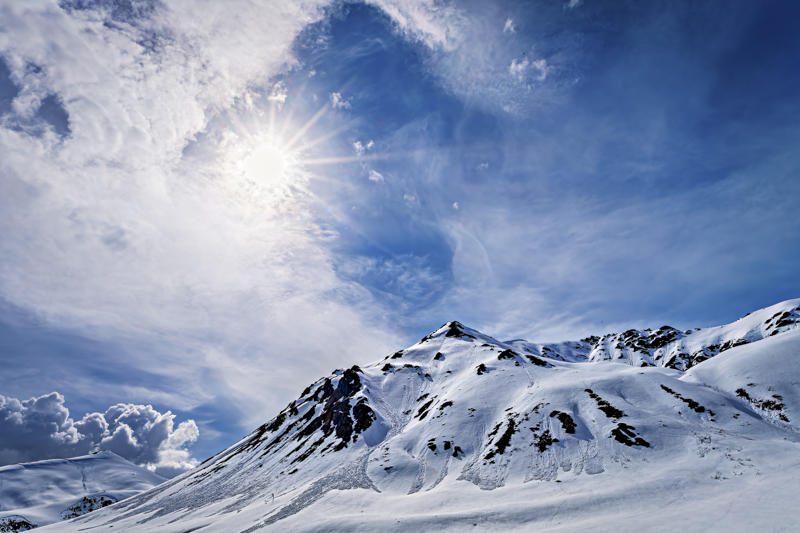
Avalanche terrain presents extreme risks, including death by suffocation, traumatic injury from being slammed into trees or rocks, and hypothermia. With slides often triggered by victims, the window for rescue is tiny—survival chances drop significantly after just 15 minutes.
Because the risks are real, I don’t step into these places blindly. Every trip into the backcountry starts long before I lace up my boots. I study maps, watch the weather, and choose routes with a clear understanding of my limits. I tell someone exactly where I’m going and when I expect to be back, and I carry an ACR Personal Locator Beacon (PLB) so that, if the worst happens, there’s at least a signal pointing to where I am. I also keep an Iridium satellite phone with me, so I can reach out for help or check in even when there’s no cell service at all. For navigation, I rely on a Garmin GPS with tracking activated—but of course, I still carry a physical map and compass, because batteries die and electronics fail, and getting home is non‑negotiable.
My pack is as important as my camera bag. Extra layers, food, water, a headlamp, first-aid kit, and basic survival gear come with me, even on days when the sky looks harmless and the trail feels familiar. I always have the Mountaineers “10 Essentials” with me at all times, even for just a day hike on local trails that I know like the back of my hand. In bear country, I carry (and have had to use) UDAP Bear Spray, I make noise when I need to, pay attention to tracks, scat, wind direction, and the behavior of the animals I encounter. I carry a firearm, not so much so for wildlife protection, but with the knowledge that the most dangerous encounter one can have in the wild is a stranger. My dog isn’t just a companion; he’s an early-warning system, a reminder that I’m not alone, and sometimes the first to tell me when something in the landscape has changed.
As I continue to spend more time in truly remote areas, I’m also adding an extra layer of protection: an electronic bear fence for camp. It’s not about eliminating risk—nothing does that—but about stacking the odds a little more in my favor when I’m sleeping in places where large predators also call home.
Out there, especially in the far-north backcountry, safety isn’t a single choice—it’s a series of small, intentional decisions made over and over again. It’s knowing when to turn back, even when the light is getting good. It’s accepting that no photograph is worth ignoring that uneasy feeling in your gut.
The photos in this article aren’t just pretty scenes. They’re reminders of how small we are out there, and how quickly things can go wrong. In the end, the images I bring home are shaped as much by preparation and respect as they are by timing and luck. The wilderness will always be bigger, stronger, and less predictable than I am. My job is to enter it with humility, move through it with care, and come back with stories that honor both its beauty and its power.